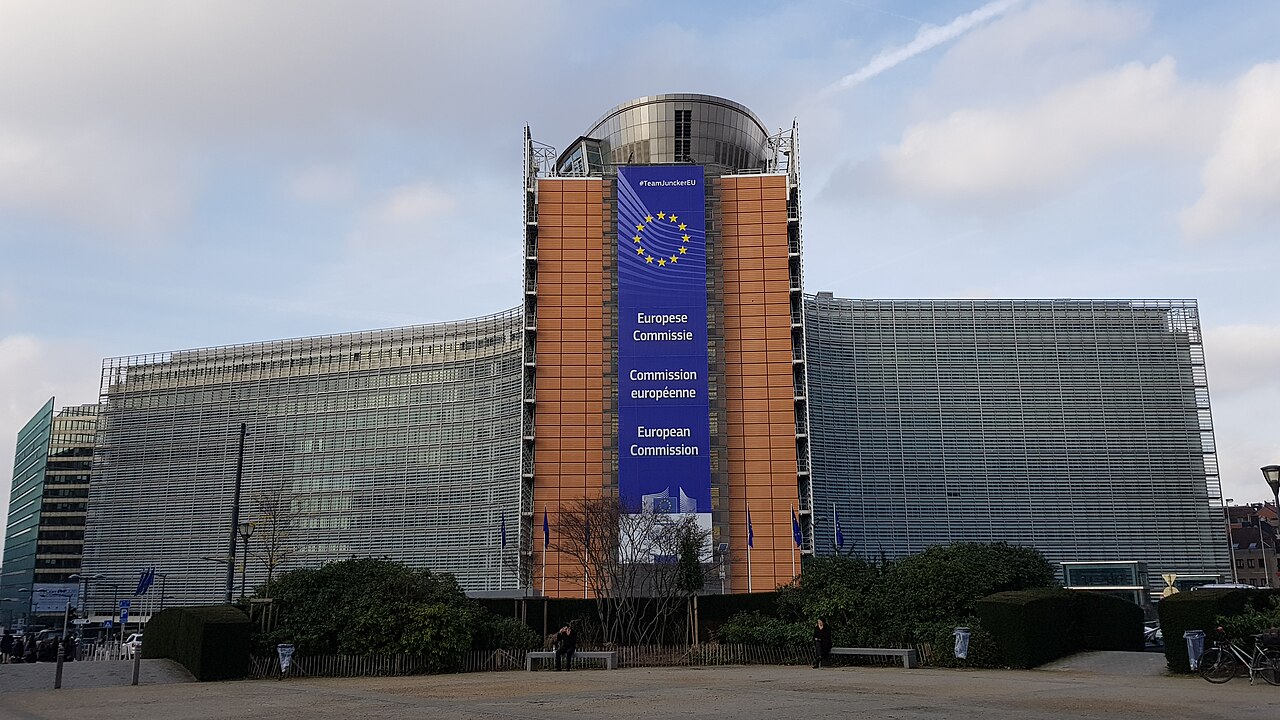
Ursula von der Leyen stood up this week and offered Canada something the European Union has never handed anyone before: associate membership. Not full membership — Canada’s own ambassador-designate was careful to say Ottawa doesn’t want to hand over sovereignty for that — but a new “Alliance for the Future,” built around manufacturing, AI, defense production, critical minerals, and the Arctic. Two longtime allies, deciding to work more closely together. That’s it.
Trump’s response: threaten to blow up trade with the entire European Union over it.
“If it’s a good intention, that’s fine,” he said. “If it’s a bad intention, we’ll put very heavy tariffs on Europe.” He called the whole idea “laughable” and, for good measure, called Canada “a terrible trade partner.” The same day, he signed a memo pulling Canadian goods out of the federal government’s procurement system, payback for Canada’s “Buy Canadian” policy. Two separate levers, pulled in one afternoon, over an announcement that had nothing to do with American trade terms.
Here’s the part that should bother you no matter where you land on Trump generally: none of this is actually about trade.
The EU didn’t cut a side deal that undercuts American exporters. Canada didn’t slap a new duty on anything from the US. What happened is two allies decided to deepen a relationship on defense and critical minerals, and Washington’s answer was a tariff threat. That’s not trade policy. That’s a jealous ex checking your phone.
It’s also not a one-off. A couple weeks earlier, Trump was threatening to halt trade with every country running a surplus with the US unless the Federal Reserve — a domestic agency with zero jurisdiction over foreign trade — cut interest rates to 1% or lower. Kevin Warsh, the Fed chair Trump himself nominated, voted with the rest of the committee to raise rates anyway: a unanimous 12–0 hike to 3.75%–4.00%, the first increase since 2023. The tariff got waved around as a threat. It didn’t even work.
That’s the actual pattern worth noticing. Tariffs are a real tool for a real problem — another country dumping subsidized goods, manipulating its currency, running an imbalance you can actually point to. What they’re turning into is a leash, something you yank whenever a country does something that annoys you, whether or not it has a single thing to do with trade. The Fed’s independence. Canada’s friendships. Whatever’s bothering him that week.
I get why it plays well politically. Tariffs sound tough and mostly land on people nobody sees: importers, retailers, whoever eats the cost before it shows up on a shelf. Nobody gets a bill labeled “retaliation surcharge.” But the tool has a job description, and “punish an ally for talking to another ally” was never in it.
My two cents: when tariffs are the only tool in the toolbox, everything starts looking like a trade dispute — even the stuff that was never about trade in the first place.