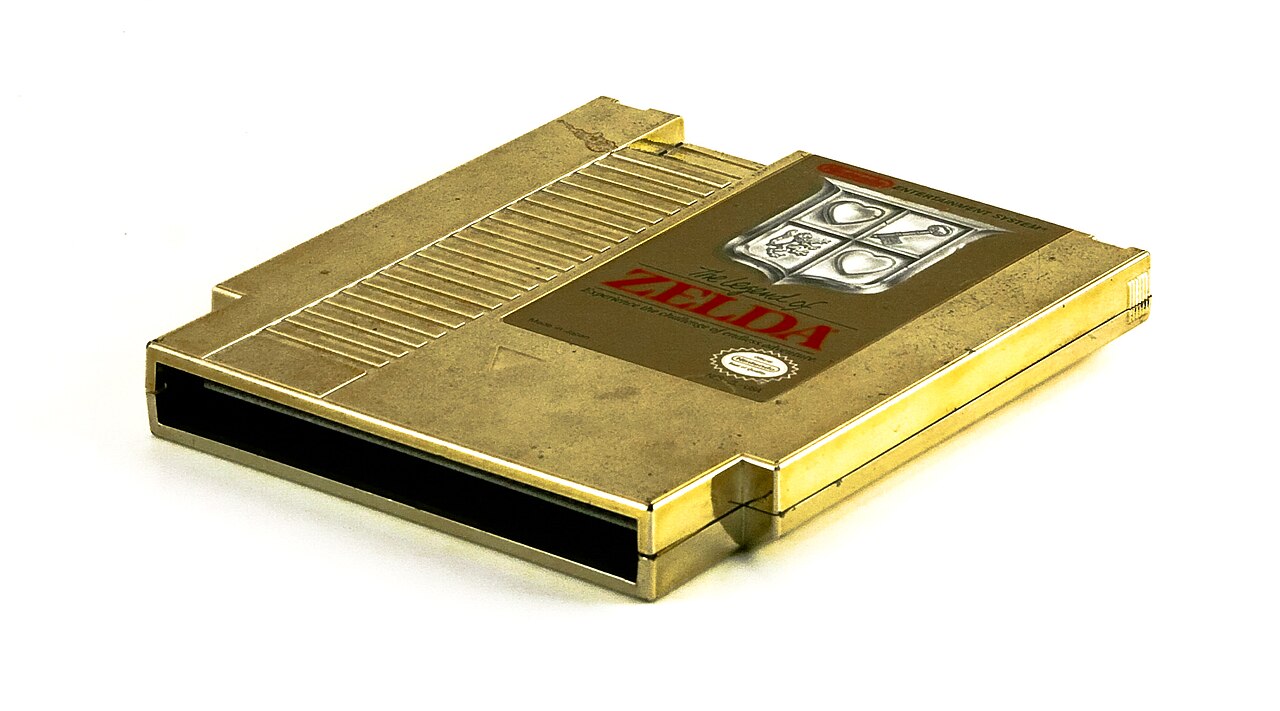
Somewhere in a closet is a box of old Nintendo games, and a stranger will now tell you exactly how many points those scuffs cost you.
Video game grading works like trading card grading. You send in a game, a company inspects it, and it comes back sealed in a hard plastic case with a number on the label. The number is supposed to tell the next buyer what condition the game is in, so nobody has to take a seller’s word for it. When a boxed NES game can sell for real money, that number matters a lot.
Which brings me to Video Game Graders, a company I first flagged back in 2021 before it opened. By its own account it was formed that February and started taking orders that June. It currently grades NES games and Game Boy games (original, Color and Advanced), either sealed or complete in box. The site says SNES and N64 will “most likely be next.”
Here’s what I like. The grade runs from 5 to 100 in single-point steps, built from a 200-point inspection of 26 areas across the game and its packaging. You also get a scoring sheet showing every deduction and a diagram of where the damage is. So when your copy of Zelda comes back an 82, you can see exactly where the other points went. A grade you can argue with is worth more than one you just have to accept.
The case blocks more than 99.7 percent of UV light, according to the company, and your games come home in a box insured for the value you declared, shipped UPS Select 3 Day. Price depends on how fast you want it. As of October 2026, the cheapest tier on the pricing page is $55 for a sealed game or loose cartridge and $77 for a complete-in-box one, and the one-business-day rush for a boxed game is $555. The turnaround times for the slower tiers are listed two different ways on the same page, which I’d want cleared up before I mailed anything.
Who’s it for? Somebody with a stack of NES or Game Boy games worth protecting or selling, who wants a neutral party to put a number on the condition. If you’re planning to keep playing the cartridge, a plastic tomb is the wrong move. And grading doesn’t turn a beat-up copy into a valuable one. It just proves what you already have.
It’s also not the only option. CGC runs a video game grading service of its own, and Wata and VGA have been around the space for a while. I’m not telling you Video Game Graders beats any of them on price or speed, because nothing I could find backs that up. Compare the fees and the turnaround for the games you actually own.
I like a market with more than one referee, since a grader with competition has to keep its fees and its standards honest.
My two cents: if you’ve got boxed NES or Game Boy games worth real money, get a quote at videogamegraders.com and put it next to the other graders before you pick one.
Photo by Dave or Atox via Openverse, licensed CC BY.