Until today, a used car buyer in California had no legal right to change his mind once the paperwork was signed. You could return a toaster, but a $30,000 car was yours the second you initialed the last page.
That changed this morning. California’s CARS Act, SB 766, took effect October 1, and it gives buyers a three-day window to cancel a used car purchase. It covers cars priced at $50,000 or less, and you have to be under 400 miles on the odometer with no new damage. The dealer can keep a restocking fee of 1.5 percent of the price, capped at $600, plus up to a dollar a mile past 250 miles, which tops out at $150 more. Worst case, a do-over costs you $750. Not free, but a lot cheaper than being stuck with a lemon you found out about on day two.
The rest of the law is aimed at the oldest trick in the showroom. Ads and first quotes now have to show the real total price, with dealer markups and pre-installed extras baked in. Only taxes and government fees can be left out. Dealers have to say in writing that add-ons like GAP insurance or service contracts are optional, and they can’t bill you for junk that does nothing, like an oil change on an electric car.
I spend a lot of words on regulation that exists to make a politician look busy, so I’ll say this plainly: this one actually goes after the stated problem. The problem is that you can’t trust the number on the windshield, and the fix is making the number honest. No press conference needed.
It’s also a pretty small ask. A Harris Poll for the online car marketplace Beepi found that 87 percent of Americans disliked something about buying from a traditional dealership, and 61 percent felt taken advantage of. That was back in 2016, and I haven’t noticed the mood improve. When nearly nine in ten customers dislike how you do business, a rule that says “show the real price” isn’t an attack. It’s a mirror.
The funny part is how we got here. The FTC wrote a federal version of these rules, and the dealers’ trade group, NADA, took it to court. The Fifth Circuit threw it out in January 2025 because the agency botched the required notice steps, and the FTC didn’t appeal. So California did it itself. Even one dealership salesperson quoted in coverage of the law said it was designed to weed out shady dealers and reward honest ones. If you’re honest, that’s good news.
My caveat is the usual one. Rules like this only work if someone checks them, and a three-day return means nothing if a dealer slow-walks your refund or buries the clock in fine print. And the $50,000 cap is a fixed number in a world where used car prices keep climbing, so it’ll need updating before long.
Still, I’d rather see the car business fixed by transparency than by another round of lobbying to keep the old game alive. Fair warning to the dealers who hate this: customers have been hating you for a decade without any help from Sacramento.
My two cents: if your sales process only works when the buyer can’t see the real price or back out, the process is the problem.
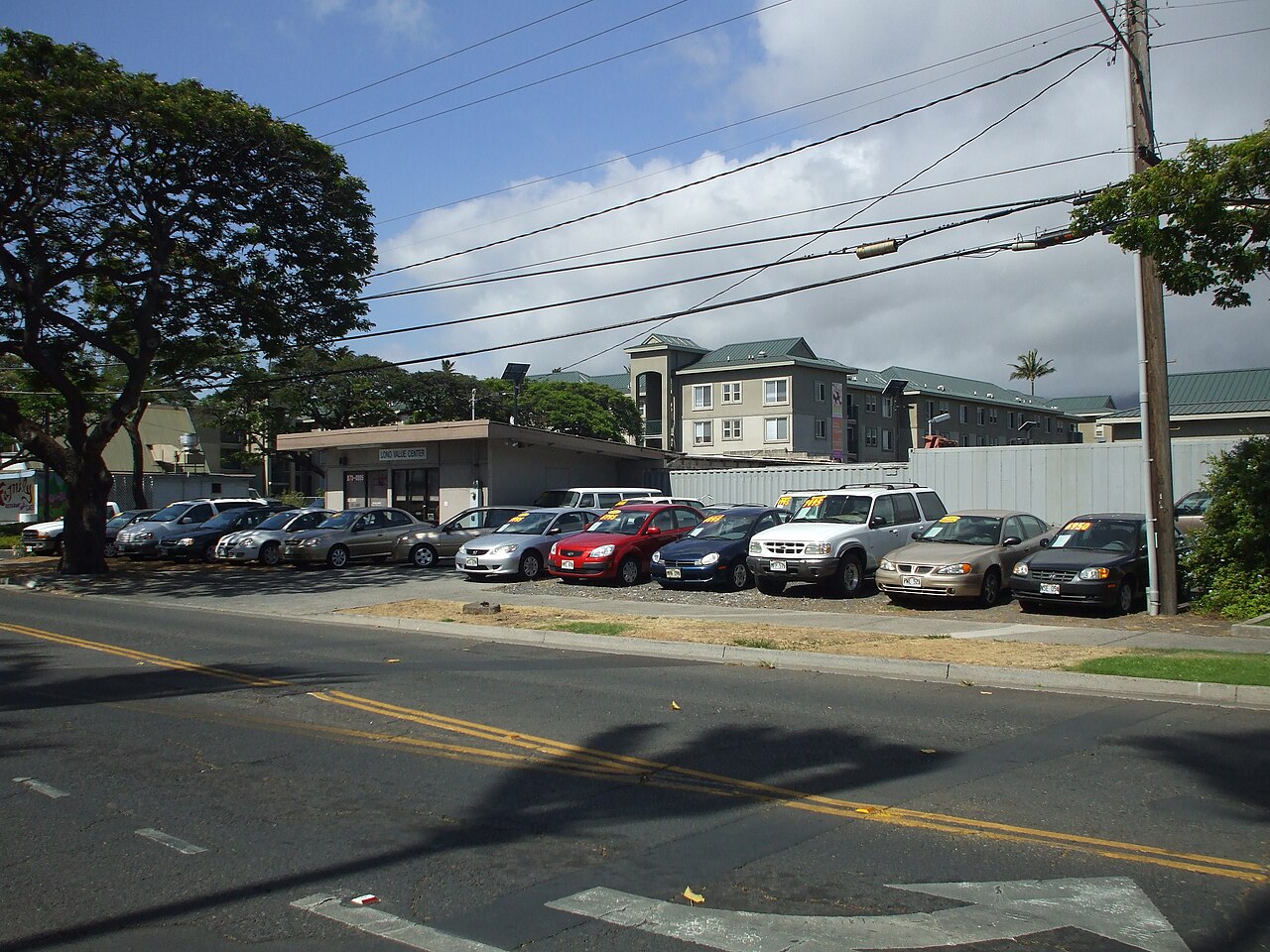
Photo: “Lono Avenue Value Center Used Car Lot” via Wikimedia Commons (Openverse), licensed CC BY-SA 3.0.