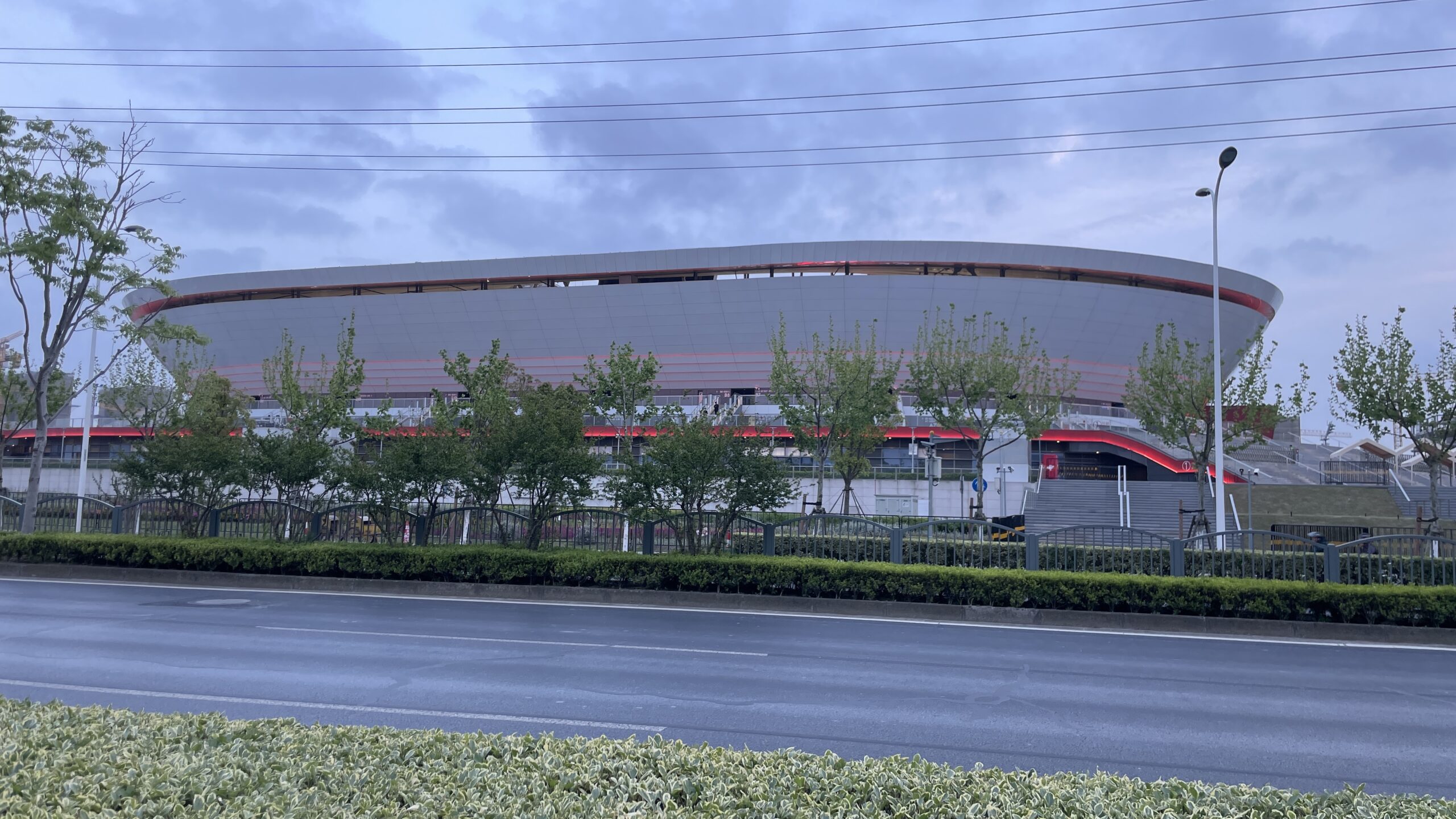
Somebody buys a sports team, and within a few years the city is somehow paying for their stadium.
That’s not a conspiracy theory, it’s just how the math works out almost every time. A guy worth a few billion dollars buys an NFL or NBA franchise, then turns around and tells the local government that without a new stadium, funded largely by taxpayers, the team might have to leave town. The city, terrified of losing its team and its bragging rights, usually caves. Kansas City just went through a version of this fight over the Chiefs and Royals, so this isn’t some abstract East Coast op-ed topic. It’s the parking lot down the street.
Here’s the part that gets me. Leagues like the NFL and MLB operate with legal protections that would get almost any other industry sued into oblivion. They control who’s allowed to own a team, how many teams exist, and where those teams can move, all while claiming the kind of antitrust immunity that Congress would never hand a grocery chain. That scarcity is the whole business model. There are only 32 NFL teams on purpose, not because the market naturally settled there. Ownership isn’t a reward for building something. It’s a seat that somebody already rich bought, in a game where the league itself makes sure the seats stay rare and the value stays high.
Compare that to the actual work of running most billion-dollar businesses. Building a company that people want to buy from takes decades, a lot of failure, and real risk that the whole thing collapses. Owning an NFL team mostly requires having the money to buy in and then not doing anything catastrophic once you’re there. The league negotiates the media deals and sets the schedule, the city usually covers the stadium, and the owner’s main job left is setting ticket prices. Those only ever move one way.
I get why fans go along with it. Nobody wants to be the city that lost its team to Vegas or St. Louis or wherever’s writing the biggest check that year. That fear is exactly what makes the whole arrangement work so well for owners. It’s not that fans are dumb, it’s that the threat of losing a team you’ve rooted for since childhood is genuinely painful, and leagues know it. They’ve built an entire financial model around a city’s willingness to pay ransom for something it already loves.
None of this means I’m rooting against the Chiefs or skipping Sundays. I’m not that much of a hypocrite. But I can watch a game and still think it’s ridiculous that regular people are paying off a stadium for a team owned by someone who’ll never sit anywhere but a suite.
My two cents: enjoy the game, question the invoice.