In December, the Senate held a vote to keep the discount on your health insurance alive for three more years, and it lost by a margin that would embarrass a student council election. Nine votes short.
Here’s the timeline, because it actually matters. The enhanced premium tax credits that have been subsidizing Affordable Care Act marketplace plans since 2021 were set to expire at the end of 2025. On December 11, the Senate voted 51-48 to extend them. Four Republicans — Susan Collins, Josh Hawley, Lisa Murkowski, and Dan Sullivan — crossed over to vote yes. It still needed 60 votes to clear the filibuster, so it died anyway, and the subsidies lapsed right on schedule.
The House tried to pick up the pieces in January, passing its own three-year extension 230-196, with 17 Republicans joining every Democrat. That’s a real, working majority in the chamber that’s supposed to be the messy one. Then it hit the Senate and ran straight into a fight over abortion-funding language buried in the fine print. It stalled there in mid-January. As far as anyone can tell, it’s still stalled.
Meanwhile, insurers just filed their preliminary rates for 2027, and the number everyone’s citing is a median increase of 14%. That’s stacked on top of last year’s 20% hike, which means marketplace premiums will have climbed more than a third in two years flat. Some of that is genuine medical inflation — hospital costs, physician visits, the GLP-1 weight-loss drugs everyone’s suddenly on. But a good chunk of it is simpler: take away the discount, and the healthier people who can afford to skip coverage do. What’s left behind is a sicker, pricier pool, which pushes rates up further for whoever’s still in it.
Enrollment is already reflecting that. About 24 million people signed up for 2025 at the peak. By this February that had dropped to roughly 19 million, and KFF projects it’ll keep sliding to around 17.5 million by year’s end — the first real enrollment drop since subsidies started growing the marketplaces years ago. To be fair, not all of that is people losing coverage they needed: the administration says a chunk of it is fraud cleanup, pointing to millions of duplicate or improper enrollments it says never should have counted in the first place. Both things can be true at once. Some of the drop is overdue housekeeping. Some of it is real people doing math they couldn’t do a year ago.
And here’s the part that’ll make you want to throw something. UnitedHealth posted nearly $5.5 billion in profit for the second quarter of this year, on $112 billion in revenue, and raised its full-year guidance while it was at it. Its medical cost ratio — the share of every premium dollar that actually goes toward paying for somebody’s care — got better for the company, not worse.
I don’t have a problem with UnitedHealth making money. Companies get to be big and hugely profitable in this country, and nobody needs to apologize for running one well. That’s not new ground for me. What gets me is the timing: a program that helps regular people afford insurance went dark for nine months over a rider fight nobody outside Washington cares about, while the company on the other side of that market quietly had one of its better quarters. Nobody planned that overlap. It’s just what happened, and it’s still happening.
This isn’t a “tax the insurance companies” post. It’s the same test I keep coming back to on regulation, just aimed somewhere new: does this actually solve the stated problem, or is it theater? A bill with 230 votes in one chamber and 51 in the other died over language that has nothing to do with what anybody pays in premiums. That’s not principled opposition to anything. That’s a procedural rule doing exactly what procedural rules do, and millions of people on the exchanges are the ones covering the difference.
My two cents: when a fix has the votes and still doesn’t happen, the problem was never really the votes.
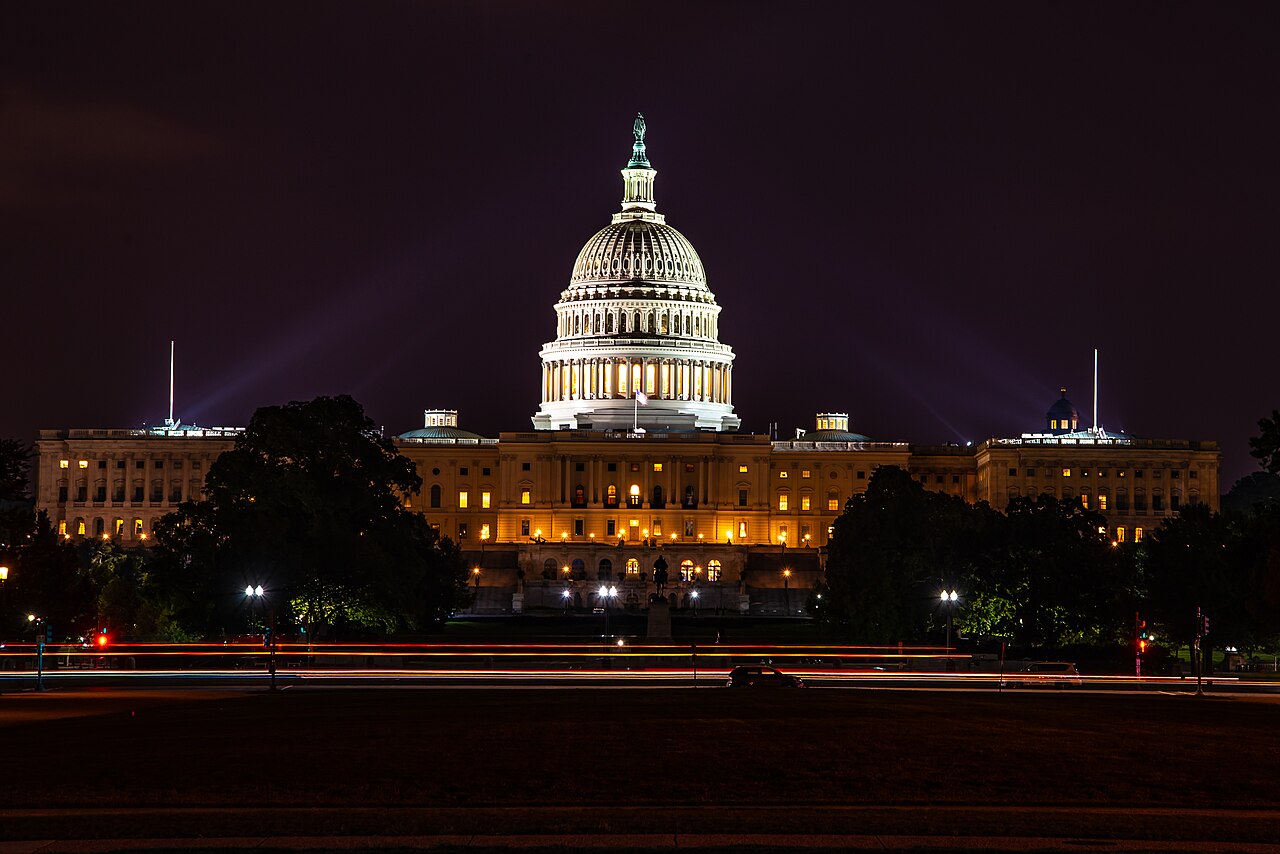
Photo by AnthonyTPope via Wikimedia Commons, licensed CC BY-SA.