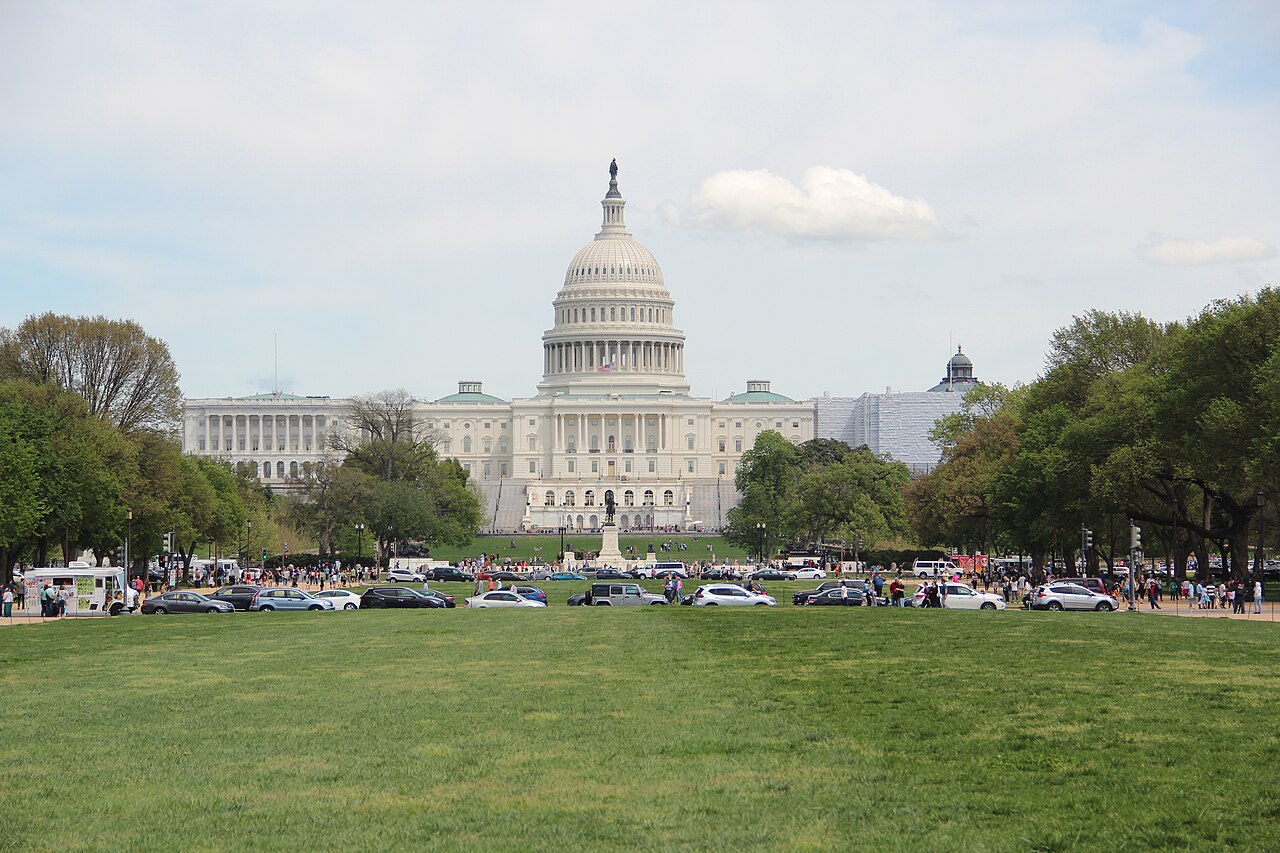
Eighty-six percent of Americans want to ban members of Congress from trading individual stocks. Republicans and Democrats can’t agree on much lately — this is one of the rare things they do, and by a landslide. So naturally, the bill that actually passed the House this summer doesn’t ban it.
On July 22, the House passed the Stop Insider Trading Act 232-198, with thirteen Democrats crossing over. Read past the vote count and the bill gets a lot less impressive fast. Members, spouses, and dependent kids would be barred from buying new individual stocks going forward. Existing holdings stay exactly where they are. A member who already owns a stack of defense contractor stock gets to keep every share, and keeps voting on defense spending too. That’s not a ban. That’s a freeze with an asterisk the size of the Capitol dome.
Rep. Joe Morelle described the loophole as big enough to fly a Qatari jet through. Given what that phrase is already doing double duty referencing this year, it wasn’t meant as a compliment.
Here’s the tell that this was never really built to pass. The House version got wrapped around an unrelated voter ID provision, a bundling move that all but guarantees Senate Democrats won’t touch it. The Senate’s own tougher version, the HONEST Act, hasn’t even gotten a hearing. Majority Whip John Barrasso says the calendar’s full before the midterms. Sure it is. Funny how the one bill with 86 percent support never quite finds room on the schedule.
I’ve got no problem with regulation. My problem is regulation built to fail on purpose so somebody walks away with a press release instead of a fix. If you actually wanted this thing to become law, you wouldn’t staple a poison pill to the one part of it 86 percent of the country already agreed on. You’d let it stand on its own.
A real version of this isn’t complicated. Force divestment of what members already hold, not just a freeze on new buys. Make the penalty something an eight-figure portfolio would actually notice. Right now it tops out at 10 percent of the trade, a rounding error to the people it’s supposed to deter. None of that expands what government does to anyone else’s life. It just asks Congress to regulate itself as seriously as it regulates everybody else.
This is the difference I keep coming back to. A rule that stops a member from voting on a committee that moves the stock they personally own is a good rule. A rule that lets them keep the stock and just makes them wait two weeks to sell it is a talking point wearing a rule’s clothes.
When 86 percent of the country agrees on something and Congress still manages to pass a hollowed-out version with a built-in excuse to die in the Senate, that’s not gridlock. That’s the plan working.
My two cents: the loudest bipartisan agreement in Washington produced the emptiest bill Washington could still call a win.