Gas stations used to compete by guessing what the guy across the street would charge. Now, according to a lawsuit filed in California, they let a computer do the guessing for all of them at once.
Three California drivers sued in late June, claiming BP, Circle K, Marathon, Walmart and Albertsons, which together run more than 1,700 stations in the state, use pricing software from a company called Kalibrate. The suit says the software hooks stations up to a central system that sets prices, and that it nudges everyone toward the same number instead of letting anyone undercut. One detail jumped out at me: the complaint says Kalibrate’s own materials warn about a “downward spiral” when a station prices below its rivals. A downward spiral is what customers call a sale.
None of this has been proven. Nobody has to take the plaintiffs’ word for it, and I’d like to hear the defendants’ side once they give one. But the numbers in the complaint are worth sitting with. It cites research finding the software adds about 6 cents a gallon on average and as much as 30 cents in markets where it’s heavily used. The lawsuit also says every single cent costs California drivers $134 million a year. Do the multiplication on 6 cents and you land north of $800 million annually, which is real money pulled out of people who mostly can’t skip the commute.
Here’s where my own politics come in. I’m fine with big companies making big profits. I don’t care if a gas retailer has a great year. What I care about is whether the market is actually a market. Competition is the thing that keeps prices honest, and if rivals are quietly running the same algorithm so they never have to compete, you’ve swapped a handshake in a back room for a subscription fee. Same result, better paperwork.
This is also one of the rare cases where I want the law to do its job. California changed its antitrust statute, AB 325, to cover pricing algorithms, and the plaintiffs say it applies here. I’m usually the first to roll my eyes at regulation written for a press conference. This one targets an actual harm with an actual victim, and the test is simple: did prices go up because customers were being charged more than a competitive market would allow? A court gets to answer that, not a politician.
The part that bugs me most is the price Californians were already paying. Late June had the state average at about $5.54 a gallon while the national average sat near $3.93. California has its own taxes and fuel rules that explain a chunk of that gap, and I’m not pretending otherwise. But if software is adding more on top, nobody should be shrugging that off as the cost of living out west.
The bigger lesson reaches well past gas. If a pricing tool works by making sure nobody in town ever gets undercut, it isn’t helping a business compete. It’s helping a bunch of businesses stop. We’ll see what a judge says about this one.
My two cents: if your software’s whole job is preventing a price war, your customers should get to ask who’s really running the gas station.
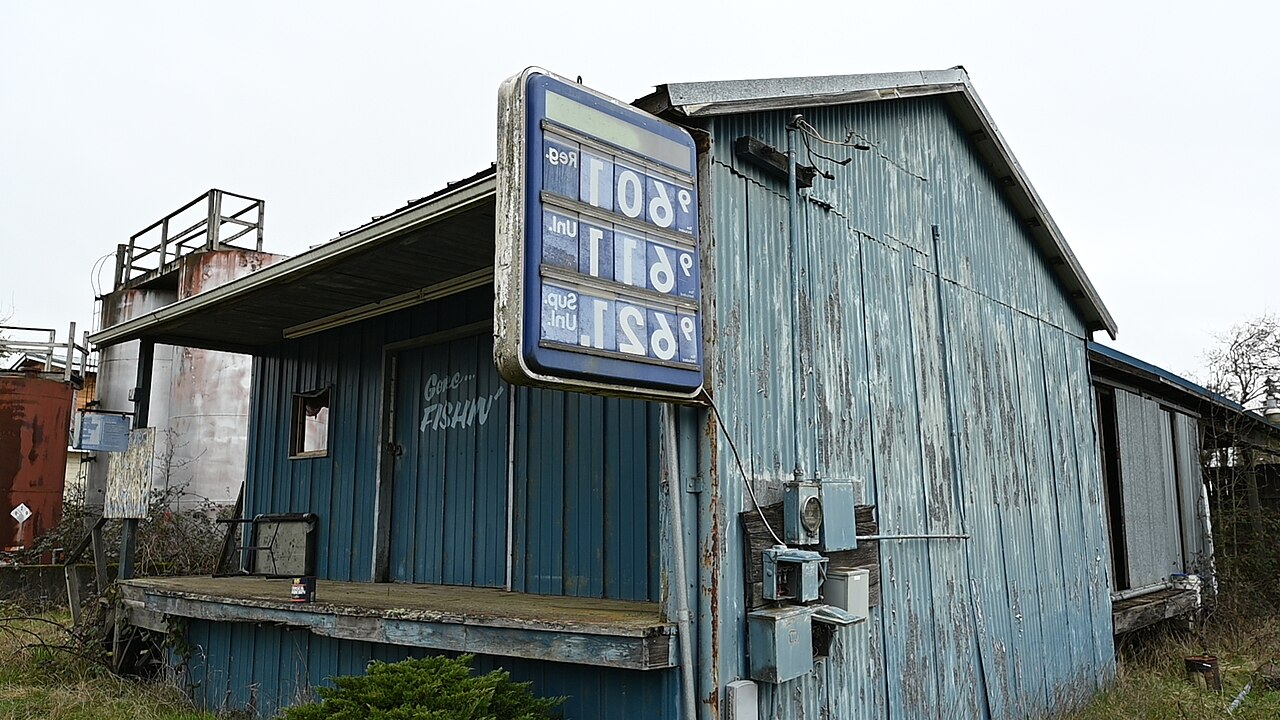
Photo by Moonstruck via Openverse, licensed CC BY-SA.