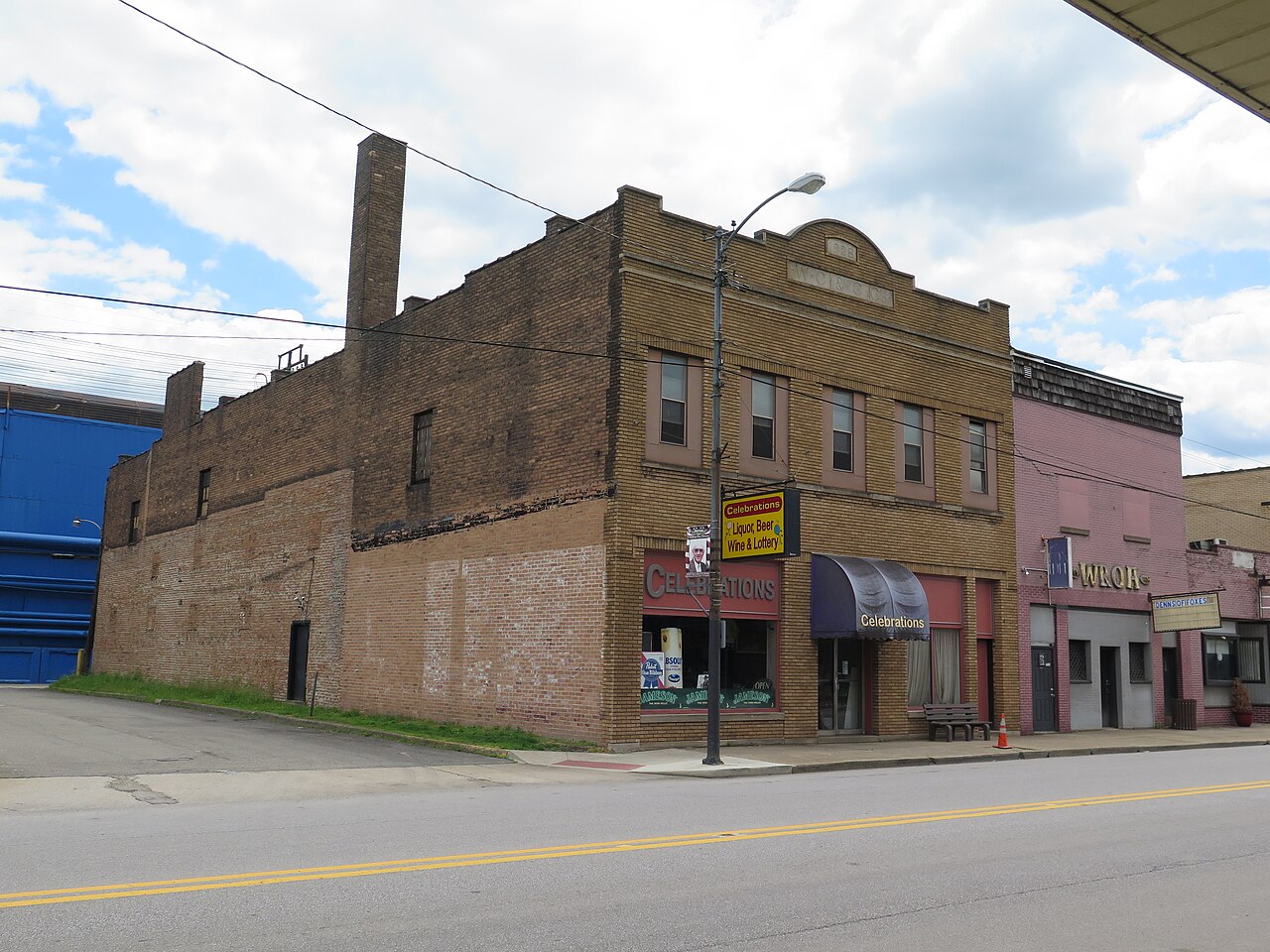
Picture two stores a few blocks apart buying the exact same bottle from the exact same distributor in the same month, and the little one pays more. According to the FTC, that was happening in the booze business.
On October 2 the agency announced a settlement with Southern Glazer’s Wine and Spirits, the biggest wine and spirits distributor in the country. The FTC says the company moves about one in three bottles sold in the U.S. and did roughly $26 billion in wine and spirits sales to retailers in 2023. The agency sued in December 2024, claiming Southern Glazer’s kept discounts and rebates for big chains like Total Wine and Kroger while independent shops paid more for identical products.
Southern Glazer’s admitted nothing. Its legal chief says the company “did not violate” the law and doesn’t expect material changes to its pricing. That’s a funny thing to say about a deal that comes with a six-year independent monitor.
The law at issue is the Robinson-Patman Act, passed in 1936 and almost never enforced since. It allows volume discounts, but only if the seller can show real cost savings from selling in bulk. I’m fine with that rule, and I’d normally be rolling my eyes at this whole thing. A chain buying thousands of cases and taking delivery at one warehouse costs less to serve than a corner store ordering a handful of bottles, and it should get a better price. Getting huge and winning on scale is how capitalism is supposed to work.
The problem starts when the discount has nothing to do with cost. Then it’s just muscle.
Here’s what I find telling. FTC Chairman Andrew Ferguson, whose agency just settled this, has said he didn’t initially support the lawsuit and figured Southern Glazer’s could justify most of the price gaps with differences in supply costs. So the regulator himself half shrugged. If costs explain the gap, no harm done. If they don’t, the game was rigged. Nobody ever tested which one it was, because it settled before trial.
The order itself is more interesting than the headline. It looks at pairs of sales, a top-five chain and a nearby independent shop buying similar products around the same time, and sets a price-gap limit based on each state’s operating costs. If one independent gets overcharged by more than $5,000 over a 12-month stretch, Southern Glazer’s can fix it by paying the shop back one and a half times the difference. Ignore it and lose in court, and the bill doubles. It covers the five biggest chains in 26 states.
I’ll give that credit. It’s a rule aimed at a stated problem, with a price tag attached, which beats most of what comes out of Washington. But don’t expect back pay for years of overcharges. The cash goes to small shops only if the monitor catches violations going forward.
If you’ve ever wondered why the little liquor store charges more than the warehouse club, some of it is just size. Maybe some of it was never about size at all.
My two cents: bulk discounts are earned, but a discount with no cost behind it is just a favor, and the corner store shouldn’t be the one paying for it.