Four senators, two Republicans and two Democrats, wrote a bill together, and on Monday the Senate voted 73-25 to move it forward. Mark the date, because it doesn’t happen often.
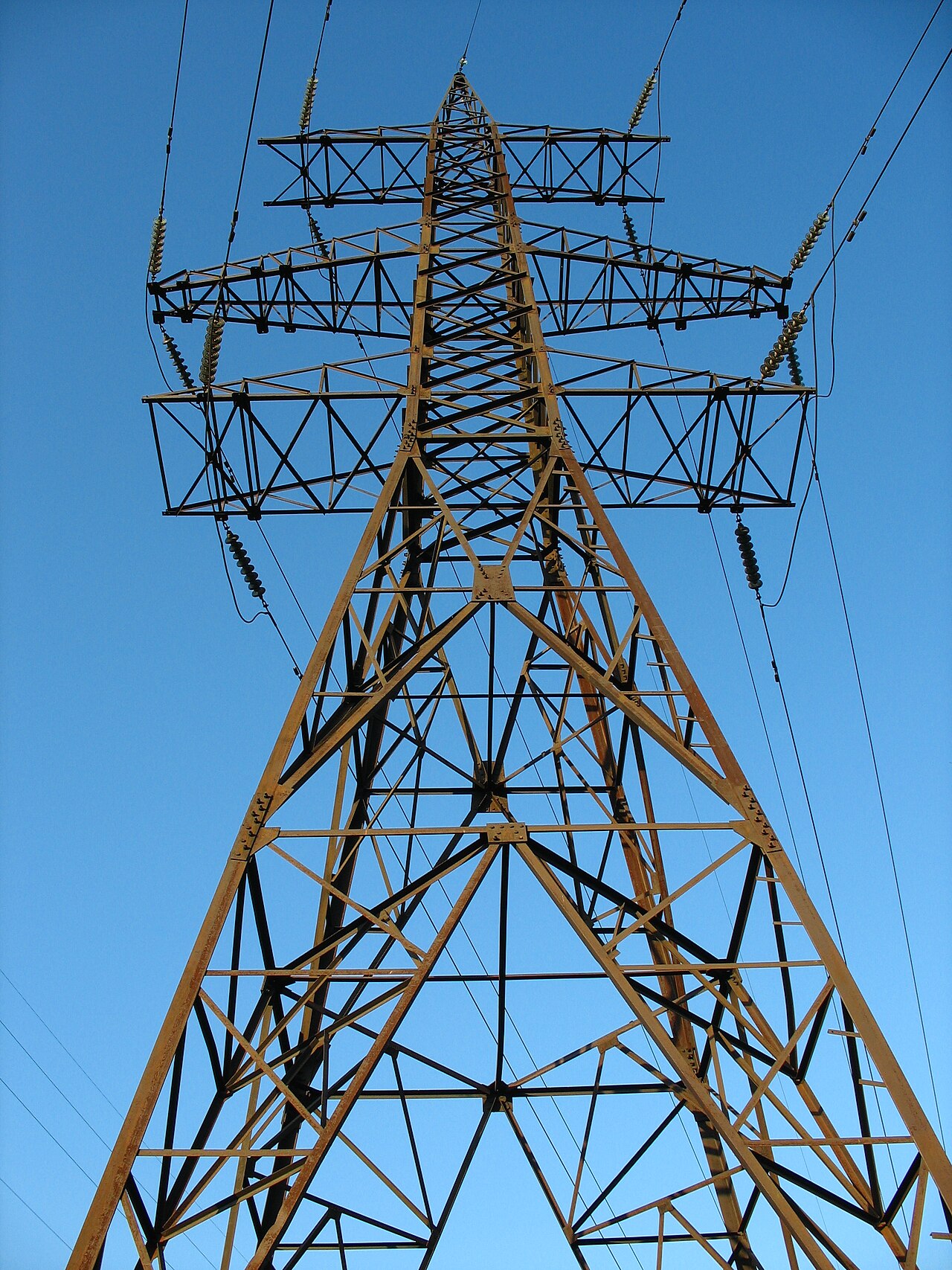
The Bipartisan American Affordability and Jobs Act comes from Shelley Moore Capito, Mike Lee, Martin Heinrich and Sheldon Whitehouse, and it goes after permitting, the dull paperwork war that decides whether a power plant or a transmission line ever gets built. Dull is not the same as small. SunZia, a 550-mile line carrying wind power from New Mexico to Arizona, started development in 2008 and wasn’t fully operational until June of this year, after an $11 billion build. Heinrich’s own complaint is that an answer on a project like that should take “five, six years, not 17.” Inside Climate News reports that high-voltage lines take about 10 years to build on average. Ten years, for a wire.
This is the kind of regulation I’d actually like to see fixed, because the problem is real and nobody is performing for the cameras. A permit sitting in a drawer for a decade isn’t protecting anybody. It’s just a tax on everything that comes after. Capito and Heinrich make the case that people are sick of rising utility bills while useful projects stall in planning, and after what I wrote about utility profits and your power bill, I’m inclined to agree that building more is part of the answer.
The bill also says new data centers have to cover their own energy costs instead of handing the tab to everyone else on the grid. Good. Back in October I wrote about a Microsoft data center deal that ran 62 unpermitted generators and walked away with a $1.07 million fine, so I’m not exactly overflowing with faith that big tech pays its own way without being made to.
Now the sales pitch, which deserves a squint. One modeling estimate cited by the bill’s backers says residential electric bills would drop by $19 billion through 2040. Spread across well over 100 million households and 15 years, that’s at most a dollar a month. Worth having. Not a parade.
The bigger risk is politics. While the Senate was voting, Trump said, “I will not approve wind turbines because wind turbines are a major loser,” and Whitehouse has said Democrats could pull their support if federal wind progress doesn’t continue. Permitting reform that still lets one president kill a project on a hunch isn’t reform. It’s theater with better paperwork. House Democratic leader Hakeem Jeffries, who is expected to be speaker once Democrats take the House in January, has said the bill “falls short,” and nobody has set a date for the final Senate vote.
The critics aren’t wrong to worry either. Environmental groups say the bill limits court challenges and weakens review, and Democrats like Catherine Cortez Masto and Brian Schatz, who voted to advance it, want more protection for tribal decisions about their own land. Faster shouldn’t mean steamrolling the people who live there. A deadline for an answer is not the same as skipping the question.
My two cents: a yes or a no in two years beats a maybe in seventeen, and if Congress can’t pass the one thing both parties say they want, I don’t know what it can pass.